
Enhancing EPC Rating for Commercial Properties in London: A Comprehensive Guide!!
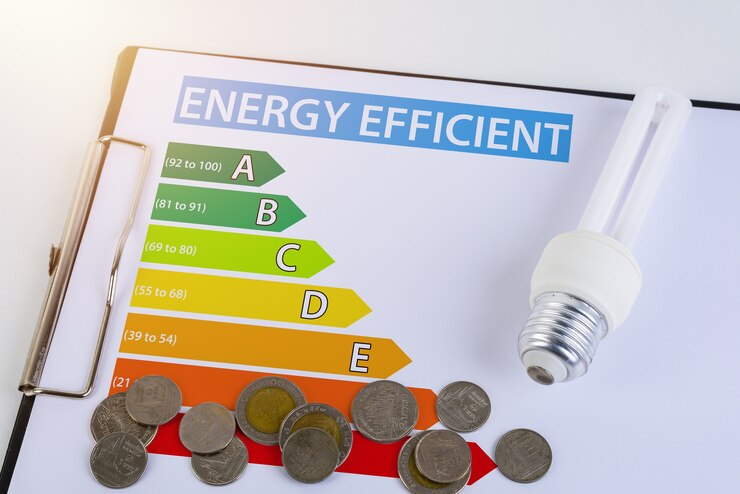
In the bustling metropolis of London, commercial property owners face the growing imperative of improving Energy Performance Certificate (EPC) ratings. With an increased emphasis on sustainability, energy efficiency, and regulatory compliance, elevating the EPC rating not only contributes to environmental responsibility but can also enhance the overall value and marketability of commercial spaces. This comprehensive guide explores practical strategies for boosting commercial EPC in London.
1. Understanding EPC Ratings:
a. What is an EPC?
An Energy Performance Certificate (EPC) is a document that evaluates the energy efficiency of a building. It rates properties on a scale from A (most efficient) to G (least efficient) and provides recommendations for improvements. Commercial properties in London are legally required to have a valid EPC when sold, rented, or constructed.
b. Significance of EPC Ratings:
EPC ratings serve as a benchmark for a property's energy efficiency. Higher ratings not only align with environmental goals but can also lead to lower energy bills, increased asset value, and compliance with regulatory requirements.
2. Conducting an Energy Audit:
a. Hire a Professional Energy Assessor:
Engage a qualified energy assessor to conduct a comprehensive energy audit of your commercial property. This assessment will identify areas of improvement and provide a roadmap for enhancing energy efficiency.
b. Assess Building Fabric:
Examine the building's fabric, including insulation, windows, and doors. Improving insulation and addressing any draughts can significantly impact the EPC rating by reducing energy loss.
c. Evaluate Lighting Systems:
Upgrade to energy-efficient lighting systems, such as LED bulbs. Consider installing motion sensors and timers to ensure lights are only in use when needed, reducing unnecessary energy consumption.
3. Efficient HVAC Systems:
a. Regular Maintenance:
Schedule regular maintenance for heating, ventilation, and air conditioning (HVAC) systems. Clean filters, check for leaks, and ensure that equipment is running efficiently. Well-maintained HVAC systems can contribute significantly to improved EPC ratings.
b. Upgrade to Energy-Efficient Models:
Consider upgrading HVAC systems to newer, energy-efficient models. Modern systems often come with advanced features that optimize energy usage, leading to improved overall performance.
4. Renewable Energy Integration:
a. Solar Panels:
Explore the possibility of installing solar panels on the roof of your commercial property. Solar energy is a sustainable and renewable source that can contribute to a significant reduction in overall energy consumption.
b. Wind Turbines:
In certain cases, wind turbines may be considered for generating clean energy. However, this option requires careful consideration of local regulations and the property's location.
5. Smart Building Technologies:
a. Building Automation Systems (BAS):
Implement Building Automation Systems to optimize the control of heating, cooling, and lighting. These systems enable real-time monitoring and adjustments, ensuring that energy is used efficiently.
b. Occupancy Sensors:
Install occupancy sensors to automatically adjust lighting and temperature settings based on the presence or absence of occupants. This technology prevents unnecessary energy consumption in unoccupied spaces.
6. Insulation Improvements:
a. Roof Insulation:
Enhance roof insulation to minimize heat loss. Well-insulated roofs contribute to maintaining a consistent internal temperature, reducing the workload on heating and cooling systems.
b. Wall and Floor Insulation:
Evaluate the insulation of walls and floors. Improving insulation in these areas further reduces heat transfer and contributes to maintaining a comfortable internal environment.
7. Water Conservation Measures:
a. Efficient Plumbing Fixtures:
Upgrade plumbing fixtures to water-efficient models. This includes faucets, toilets, and urinals. Water-saving measures not only contribute to sustainability but also indirectly impact energy consumption related to water heating.
b. Leak Detection and Repair:
Regularly inspect and promptly repair any water leaks. Leaks not only waste water but can also contribute to increased energy usage if hot water is being leaked.
8. Employee Engagement:
a. Education and Awareness:
Foster a culture of energy efficiency among employees. Educate staff about the importance of energy conservation and encourage practices such as turning off lights and electronic devices when not in use.
b. Incentives for Sustainability:
Implement incentive programs that reward employees for contributing to energy-saving initiatives. Recognition and rewards motivate individuals to actively participate in reducing energy consumption.
9. Government Incentives and Grants:
a. Explore Available Schemes:
Investigate government incentives and grants aimed at promoting energy efficiency in commercial properties. These programs may provide financial support for implementing energy-saving measures.
b. Tax Benefits:
Some regions offer tax benefits for property owners who invest in energy-efficient upgrades. Consult with financial advisors to explore potential tax incentives related to energy efficiency improvements.
10. Regular EPC Reassessments:
a. Periodic EPC Updates:
Schedule regular EPC reassessments, especially after implementing energy-efficient measures. This ensures that the EPC rating accurately reflects the property's current energy performance.
b. Continuous Improvement:
Treat EPC rating enhancement as an ongoing process. Regularly review energy consumption patterns and identify opportunities for further improvement.
Improving EPC ratings for commercial properties in London is a multifaceted endeavor that requires a strategic and comprehensive approach. By conducting thorough energy audits, implementing energy-efficient technologies, and fostering a culture of sustainability, property owners can not only comply with regulatory requirements but also contribute to the broader goal of creating environmentally responsible and energy-efficient urban spaces. As the demand for sustainable business practices continues to grow, enhancing EPC in London serves as a proactive step toward a more resilient and future-ready commercial property portfolio in the dynamic landscape of London.