
Top 5 Reasons Why Your Fuse Box Trips
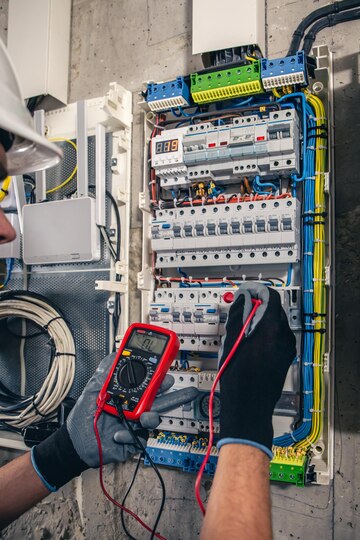
A fuse box, or electrical panel, is a critical component of your home's electrical system. Its primary function is to distribute electricity safely and control power flow to various circuits. However, when your fuse box trips, it can be frustrating and, at times, concerning. In this guide, we'll explore the top five reasons your fuse box might trip, providing insights into potential issues and the importance of a fuse box installation certificate.
1. Overloaded Circuits
One of the most common reasons for a fuse box to trip is an overloaded circuit. Each circuit in your home is designed to handle a specific amount of electrical load/pressure, and overloading it can lead to overheating and potential fire hazards. When a circuit becomes overloaded, the protective device in your fuse box—such as a circuit breaker or a fuse—will trip to prevent further damage.
To address this issue:
- Unplug or turn off devices connected to the overloaded circuit.
- Consider redistributing appliances to different circuits.
- Consult with an electrician to add circuits or upgrade your electrical panel if necessary.
2. Short Circuits
Short circuits commonly occur when a hot wire comes into contact with a neutral or a ground wire, creating a low-resistance path. It can lead to a surge in current flow, causing your fuse box to trip. Short circuits are hazardous because they can generate excessive heat and sparks, potentially leading to fires.
To address short circuits:
- Identify and isolate the faulty circuit by unplugging devices or disconnecting switches.
- Inspect wiring for any visible damage or loose connections.
- If you cannot locate the issue, consult an electrician to diagnose and repair the short circuit.
3. Ground Faults
Ground faults are similar to short circuits but involve a hot wire coming into contact with a ground wire. This can occur in damp areas, such as kitchens and bathrooms. Ground faults can be dangerous, increasing the risk of electric shock.
To address ground faults:
- Install ground fault circuit interrupters (GFCIs) in areas prone to moisture, as they can quickly detect ground faults and trip to prevent electrical hazards.
- Test GFCIs regularly to ensure that they are functioning correctly.
- If the issue persists, consult an electrician for professional evaluation and repairs.
4. Aging or Faulty Electrical Components
Over time, electrical components within your home, such as wiring, switches, and outlets, can deteriorate or develop faults. These aging or faulty components can create electrical problems that lead to fuse box trips. Damaged or degraded wiring, in particular, can pose serious risks.
To address aging or faulty components:
- Inspect your electrical system for visible signs of wear, such as frayed or damaged wires, discolored outlets, or flickering lights.
- Replace damaged or outdated wiring, switches, or outlets.
- Regularly schedule electrical inspections by a qualified electrician to identify and replace components showing signs of wear.
5. Surge in Electrical Demand
Occasionally, a sudden surge in electrical demand can lead to a fuse box trip. This can occur when multiple high-powered appliances or devices are used simultaneously. The surge may be temporary, such as when starting a motor-driven appliance like an air conditioner or refrigerator.
To address surges in electrical demand:
- Avoid using multiple high-powered appliances at the same time.
- Consider investing in surge protectors to safeguard your sensitive electronic equipment from voltage spikes.
- Install dedicated circuits for power-hungry appliances to prevent overload of existing circuits.
The Importance of a Fuse Box Installation Certificate
When dealing with fuse box-related issues, it's crucial to ensure that your electrical system is properly installed and maintained correctly. This is where a fuse box installation certificate comes into play. It proves that your electrical system complies with local regulations and safety standards. Here's why it's important:
1. Safety Assurance: A fuse box installation certificate confirms that your electrical system is installed according to safety standards, reducing the risk of electrical hazards and guaranteeing the well-being of your household.
2. Regulatory Compliance: Local regulations and codes often require that electrical installations are carried out by qualified professionals and inspected to meet safety standards. A certificate verifies compliance with these requirements.
3. Liability Protection: In case of electrical-related incidents or accidents, having a fuse box installation certificate can demonstrate that due diligence was exercised in the installation and maintenance of your electrical system, reducing liability and potential legal consequences.
4. Peace of Mind: Knowing that your electrical system has been installed correctly and is regularly inspected and maintained provides peace of mind, as you can trust that it is safe and reliable.
A fuse box trip can be a source of inconvenience and concern, but understanding the underlying factors and reasons can help you address the issue effectively. Whether it's due to an overloaded circuit, a short circuit, a ground fault, aging components, or surges in electrical demand, prompt attention and corrective measures are essential.
Additionally, the importance of a fuse box installation certificate cannot be overstated. It ensures that your electrical system complies with safety standards, maintains regulatory compliance, protects against liability, and offers peace of mind. Regular inspections by qualified electricians can help identify and address issues that could lead to fuse box trips, enhancing the safety and functionality of your electrical system.